
The Ultimate Car Camping Guide: Essentials, Best Vehicles, and Top Spots
Car camping made simple: learn what to pack, the best vehicles, how to set up your car, and where to camp legally. Your complete beginner’s guide.
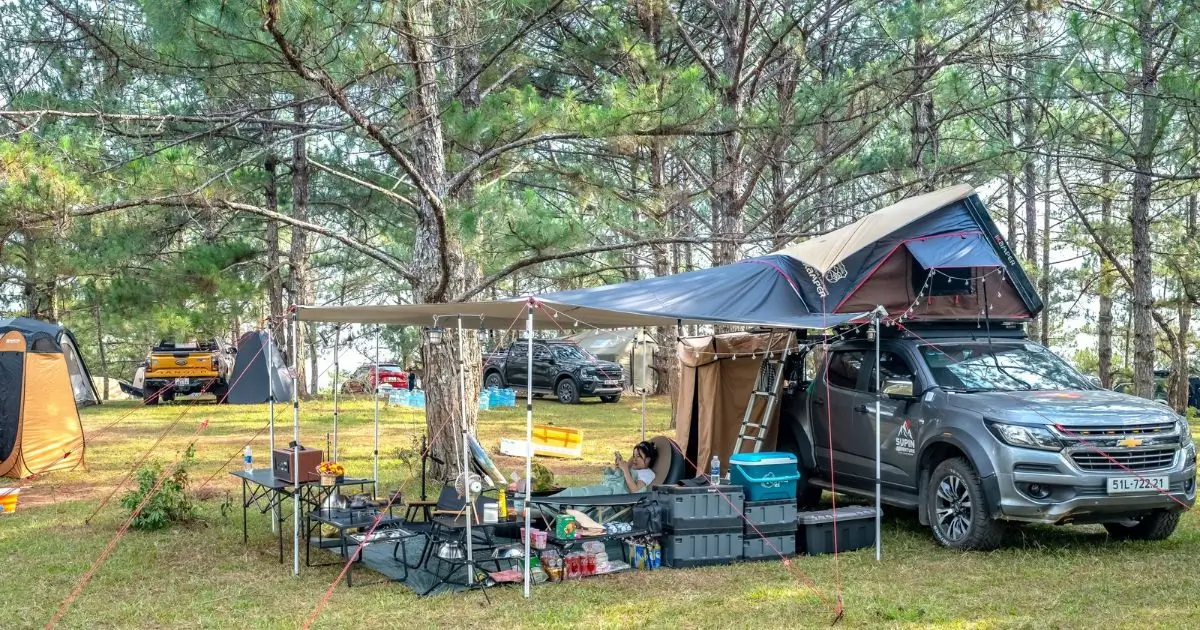
Table of Contents
There’s a moment on every good road trip when you spot a pull off, a ridge catching the last orange light, and think: I could just stay here. That’s the whole spirit of car camping. No long hike with a heavy pack, no wrestling a tent in the wind. You park, fold down the seats or open the tailgate, and the night is yours.
This guide walks you through everything you need to start car camping with confidence: what it is, what to pack, which vehicles work best, how to set up your car, where to go, and the mistakes to dodge on your first trip. Grab a coffee and let’s get you on the road.
What Is Car Camping?
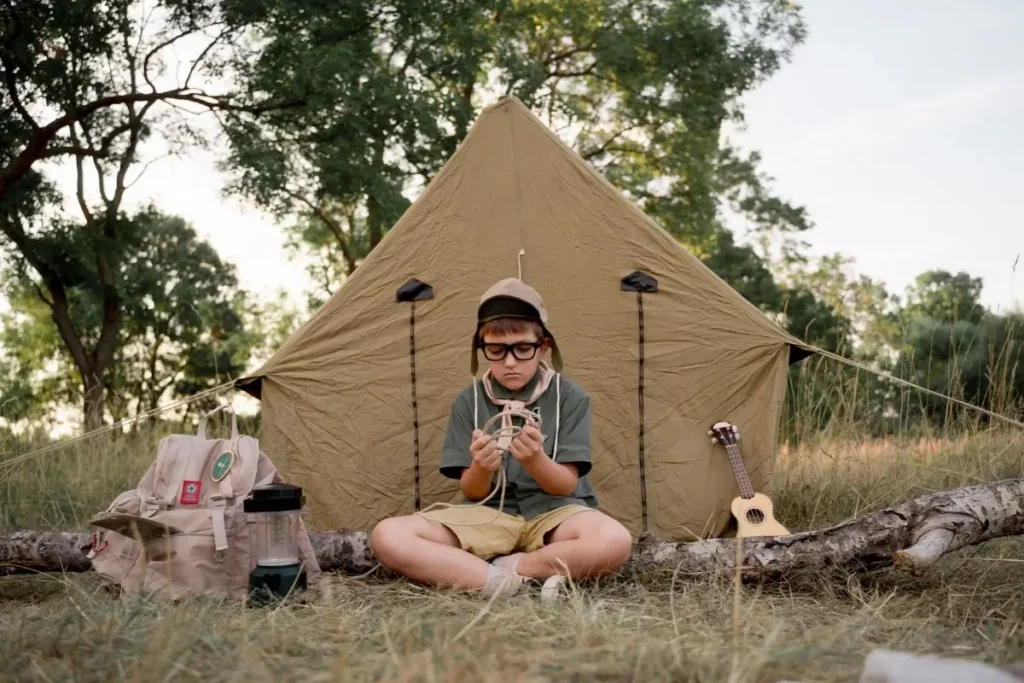
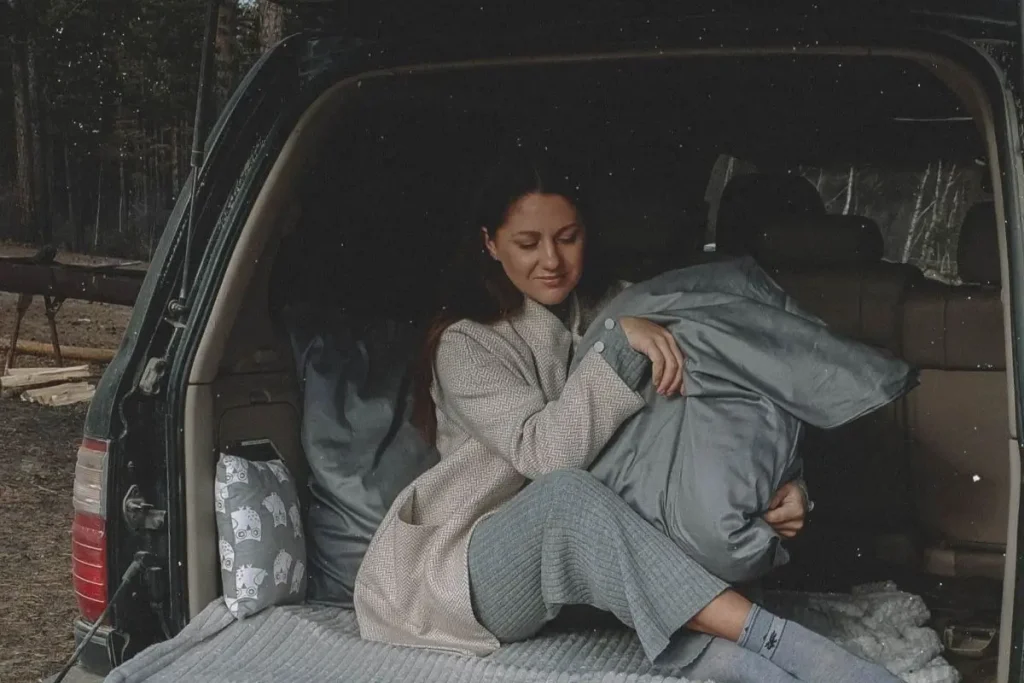
Car camping means sleeping at a campsite you drive to, using your vehicle as home base. It covers two styles: pitching a tent next to your car at a developed campground, or sleeping inside the vehicle itself. Either way, the car carries the gear, so weight and space stop being the main worry.
How Car Camping Works
The routine is simple. You pick a spot, drive in, and set up within a few steps of your bumper. Your trunk or cargo area becomes the pantry, closet and gear shed. Many campers keep a cooler, a stove and a few bins in the back, then sleep either on a mattress inside the car or in a tent pitched beside it.
Because you’re never far from the vehicle, you can bring comforts backpackers leave behind: a real pillow, a camp chair, a proper cooler and an extra layer for chilly nights.
Car Camping vs Traditional Camping
| Car camping | Traditional (backpacking) camping | |
| Gear weight | Limited only by your vehicle | Every ounce is carried on your back |
| Setup time | Minutes | Often 30 minutes or more |
| Comfort | High (chairs, cooler, thick pad) | Basic |
| Remoteness | Reachable by road | Can go deep into the backcountry |
| Learning curve | Gentle | Steeper |
Traditional camping wins on solitude and wild access. Car camping wins on comfort, convenience and flexibility, and it’s the easiest way to find out whether you love sleeping outdoors.
Why Try Car Camping?
Car camping gives you the best part of camping, waking up outside with the day wide open, without the logistics that put many people off. You decide how rugged or cozy the trip is.
Car Camping for Road Trips
Car camping is made for road trips. Instead of booking a motel each night, you can chase the route: a coastal highway one evening, a mountain pass the next. Your bed travels with you, so a last minute detour costs nothing. You also save on lodging, which stretches a trip budget a lot further, and you wake up already at the trailhead, beach or viewpoint.
Pro Tip: Always Have a Back-up Plan
Weather can turn unexpectedly during a road trip, or you might just need a proper shower and a warm bed after a few nights of camping. It’s always smart to know your nearest accommodation options along the route.
Find Nearby Hotels & Emergency Accommodations on Klook
Benefits of Car Camping for Beginners
- Low barrier to entry. You probably own most of what you need, and you can borrow or buy the rest gradually.
- A safety net. If the weather turns or you’re not sleeping well, your car is a few steps away and the drive home is short.
- Comfort. Real pillows, a cooler full of fresh food and a camp chair make the first night far less intimidating.
- Flexibility. Cancel, move on or stay an extra night without hauling a pack anywhere.
- Skill-building. You learn about weather, campsite etiquette and cooking outdoors before committing to bigger adventures.
Car Camping Essentials: What to Pack
Packing for car camping is less about squeezing things in and more about choosing well. Start with the three systems below, then add extras as you learn what you actually use.
Sleeping Essentials
- Sleeping pad or mattress. The single biggest comfort upgrade. Choose a self-inflating pad, a foam pad or a camping mattress sized to your cargo area or tent.
- Sleeping bag or bedding. Match the temperature rating to the coldest night you expect. Blankets and a duvet work fine in mild weather.
- Pillow. Bring your pillow from home. Nobody has ever regretted it.
- Tent (optional). If you’re not sleeping in the car, a freestanding tent is easy to pitch beside it.
- Eye mask and earplugs. Campgrounds can be bright and noisy.
Cooking and Food Gear
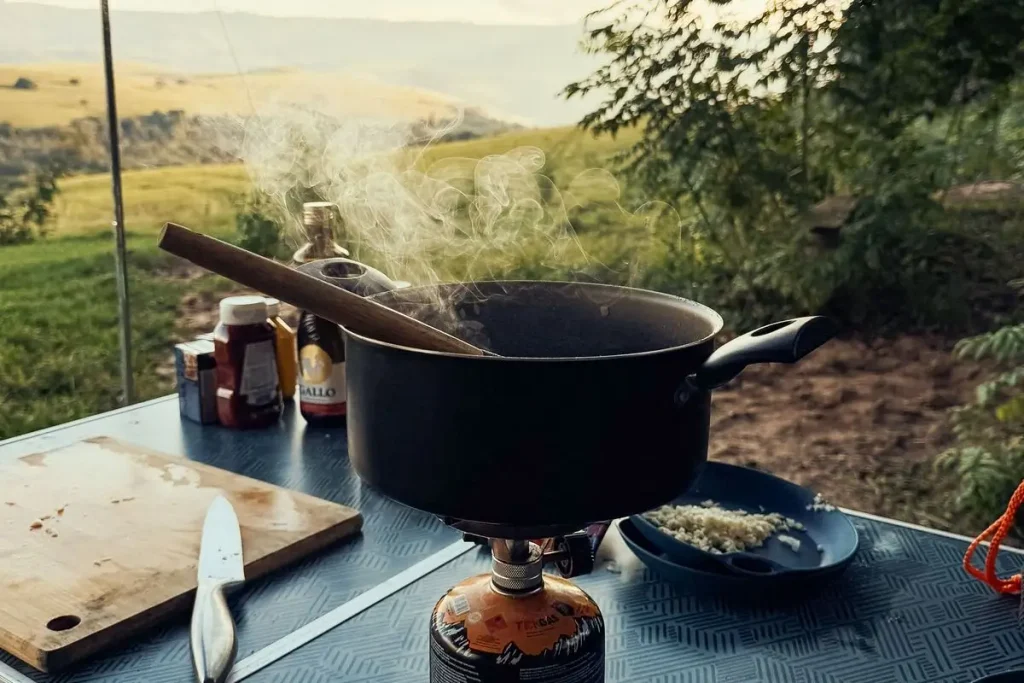
- Camp stove and fuel. A two burner propane stove is the car camping classic. A compact single burner works for simple meals.
- Cooler and ice. Prechill the cooler, pack ice on the bottom and keep it out of direct sun.
- Cookware and utensils. One pot, one pan, a spatula, a sharp knife, a cutting board and a lighter or matches.
- Plates, mugs and a spork. Reusable beats disposable.
- Water. Carry a large container, since many sites have no tap. Plan on roughly one gallon (about four liters) per person per day for drinking and cooking.
- Wash kit. A collapsible basin, biodegradable soap, a sponge and trash bags.
Safety and Comfort Essentials
- Headlamp and a lantern. Bring spare batteries.
- First-aid kit. Include blister care, pain relief and any personal medication.
- Layers and rain gear. Temperatures drop fast after sunset, even in summer.
- Camp chairs and a small table. They turn a parking spot into a living room.
- Navigation and charging. Download offline maps, and bring a power bank and car charger.
- Basic vehicle kit. Jumper cables or a jump starter, a spare tire and jack, and a tire pressure gauge.
- Toilet kit. A trowel, toilet paper and a sealable bag for waste where facilities aren’t available.
Best Vehicles for Car Camping
The best car camping vehicle is the one you already own. Plenty of people sleep happily in hatchbacks and sedans. That said, a few vehicle types make life easier. Need a Camping-Ready Car for Your Trip?
Don’t have a spacious SUV or hatchback? You can easily rent one at major airport hubs (like DEN, LAX, or MAD) to start your road trip without wearing down your personal vehicle.
Compare Prices and Book Your SUV on Klook Here
Best SUVs for Car Camping
Mid size SUVs and wagons are the sweet spot: flat folding rear seats, a roomy cargo area and enough ground clearance for gravel roads. Popular choices among campers include the Subaru Outback, Toyota 4Runner, Honda CRV and Ford Bronco Sport. Models change every year, so check the current cargo dimensions and whether the rear seats fold truly flat before you buy.
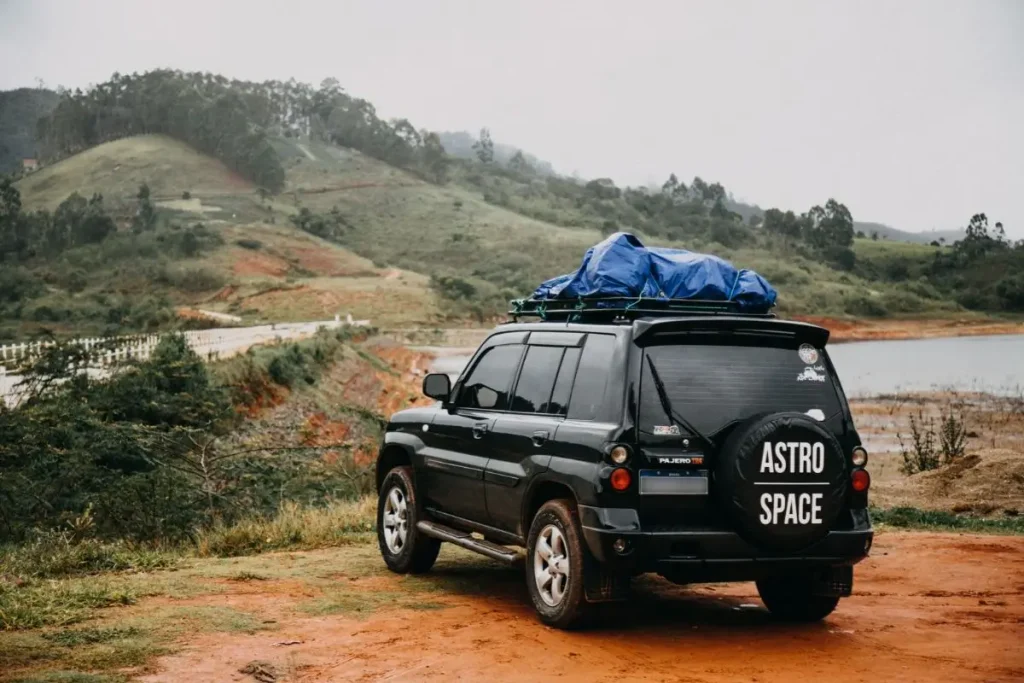
Best Cars for Sleeping Inside
You don’t need an SUV. Hatchbacks and wagons with folding seats are the best everyday cars for sleeping inside, and some compact sedans work if you can fold the rear seats through to the trunk. Minivans are arguably the best of all: huge flat floors, sliding doors and loads of headroom. Pickups can work too with a bed cover or camper shell.
What to Look for in a Car Camping Vehicle
- Sleeping length. Measure from the front seatbacks to the tailgate. Many adults need about 6 feet (roughly 1.8 meters) to stretch out.
- A flat floor. Seats that fold flat, or a platform you can build, matter more than total volume.
- Ground clearance. Higher is better if you plan to use forest roads.
- Ventilation. Windows that crack safely, plus rain guards or window screens.
- Reliability. You’ll be far from help sometimes, so a well maintained vehicle beats an exciting one.
- Fuel economy. Road trips add up quickly at the pump.
How to Set Up Your Car for Camping
A good setup takes about ten minutes once you’ve practiced it. Try it in your driveway before your first trip so you can fix problems with a hardware store ten minutes away.
Sleeping Setup
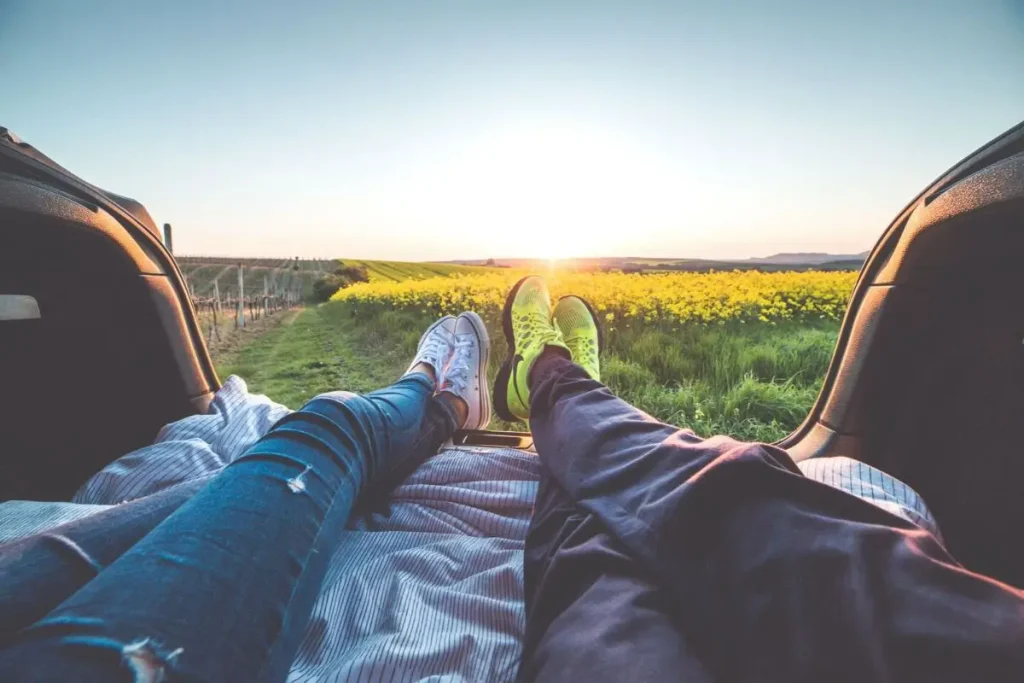
- Empty the cargo area and fold the rear seats down.
- Fill any gaps or slopes with folded blankets, storage bins or a simple plywood platform.
- Lay your sleeping pad or mattress on top and test it for flatness.
- Add sleeping bag, pillow and a spare layer within arm’s reach.
- If the car sits on a slope, park with your head on the uphill side.
A slight tilt is enough to ruin a night’s sleep, so spend a minute finding the flattest spot available.
Storage and Organization
- Use clear bins with lids, one for kitchen, one for clothes, one for tools and safety gear.
- Keep tomorrow’s essentials, like a headlamp, water and keys, in the same spot every night.
- Store food in a sealed bin or cooler, and follow local rules about bear safe storage.
- Move bulky items like chairs and the stove outside or under the car at night to free up sleeping room.
Privacy and Ventilation
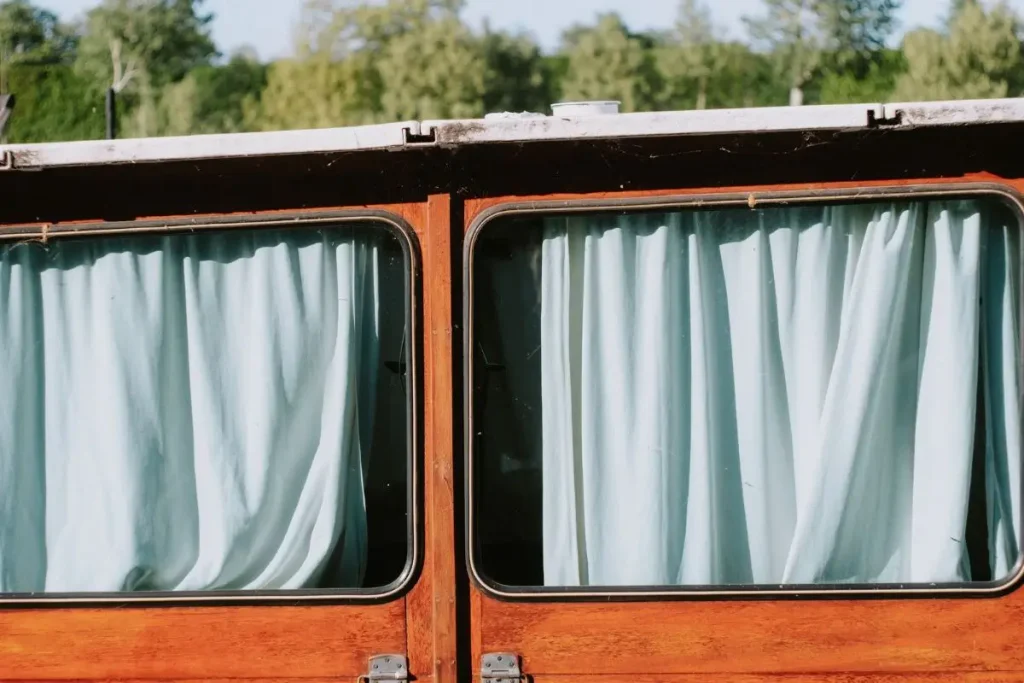
Privacy and fresh air work together. Cover your windows with custom cut reflective panels, blackout fabric or simple curtains, which also help with temperature and stealth.
Crack two windows a little on opposite sides to keep air moving and cut down on condensation, and use rain guards or mesh window screens to keep bugs out. Never run the engine to heat or cool the car while you sleep, because of the risk of carbon monoxide poisoning. If you use any portable heater or stove, keep it outside and well ventilated.
Top Spots for Car Camping
The right spot turns a good trip into a story you tell for years. Here’s where to start looking. Pro Tip for National Park Campers:
Planning your car camping trip to Zion or Joshua Tree? Outdoor passes and popular guided tours often sell out quickly in peak season.
Explore & Book Outdoor Tours and Passes on Klook Here
Best Campgrounds for Car Camping
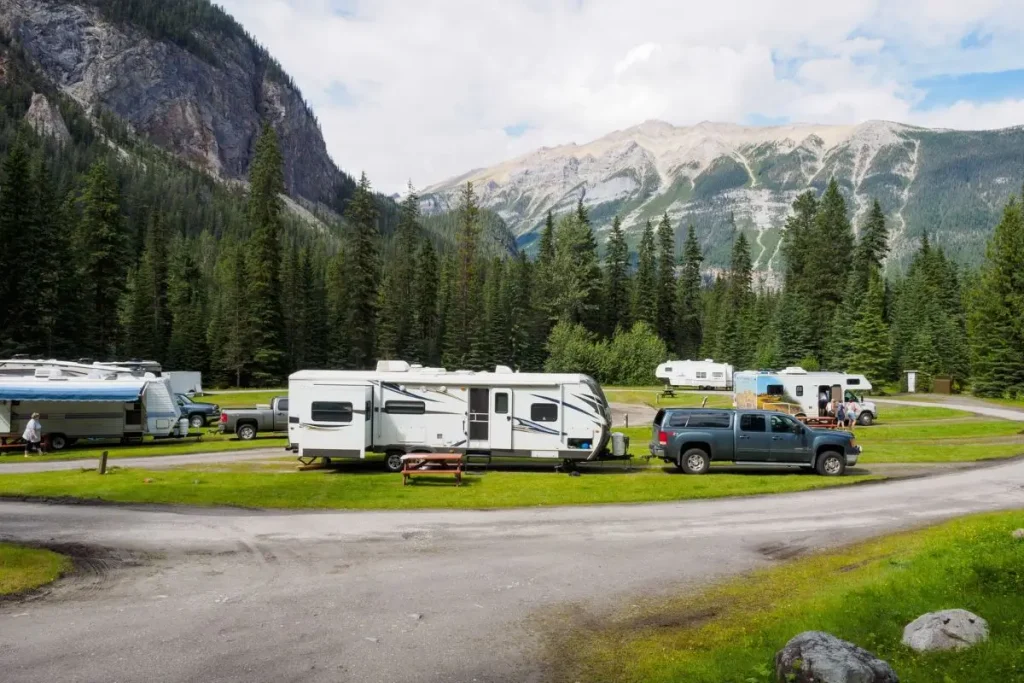
Developed campgrounds are the easiest first step: marked sites, a place to park and often a toilet, water and fire ring. A few well-loved examples in the US:
- Joshua Tree National Park, California. Boulder strewn desert sites and spectacular stargazing.
- Watchman Campground, Zion National Park, Utah. Red cliffs a few steps from your tent or tailgate.
- Blackwoods Campground, Acadia National Park, Maine. Forest camping minutes from the rocky coast.
- Elkmont Campground, Great Smoky Mountains, Tennessee. Streamside sites in a lush, misty forest.
Popular campgrounds can book months ahead, and rules and fees change, so check the official park page before you go.
Scenic Spots for Car Camping Road Trips
The best car camping routes link great driving with great sleeping:
- Pacific Coast Highway (California). Ocean views, redwoods and beach campgrounds along the way.
- Blue Ridge Parkway (Virginia and North Carolina). Slow, winding ridge top driving with campgrounds close to the road.
- Going-to-the-Sun Road (Montana). Glacier National Park’s famous alpine crossing.
- Icefields Parkway (Alberta, Canada). Glaciers, turquoise lakes and campgrounds between Banff and Jasper.
How to Find Safe and Legal Car Camping Spots
- Reservation sites. Recreation.gov lists federal campgrounds, and state park websites cover state sites.
- Dispersed camping. In the US, many national forests and Bureau of Land Management areas allow free camping outside developed campgrounds. Check the local ranger district or official map for rules, stay limits and fire restrictions.
- Apps and community maps. Tools like Hipcamp, iOverlander and The Dyrt help you find sites and read recent reviews.
- Private land and businesses. Some farms, wineries and attractions allow overnight stays. Always ask permission first, because policies vary by location.
- Safety basics. Arrive before dark, trust your gut if a place feels off, tell someone your route, and leave no trace.
Essential Car Camping Tips for Beginners
A few habits will save you from most first trip headaches.
Start Your First Car Camping Trip Locally
Pick a campground within an hour or two of home for your first night. If you forget the stove, the pillow or the can opener, a store is close by, and you learn what to pack without a big price tag. One night is plenty to start.
Check Weather, Rules, and Campsite Conditions
Look at the forecast for both the daytime high and the overnight low. Check the campground’s website or ranger station for fire bans, road closures, quiet hours and wildlife rules. Confirm your reservation, check-in time and whether the water is turned on. Conditions can change quickly, especially in the mountains and desert.
Avoid Common Car Camping Mistakes
- Skipping a test run. Practice your sleeping setup at home first.
- Parking on a slope. Find the flattest spot you can.
- Sealing the car completely. Closed windows mean condensation and stale air, so crack them for airflow.
- Overpacking. Bring what you’ll use, and keep the sleeping area clear.
- Leaving food out. It attracts animals, so store it properly.
- Running out of fuel or battery. Fill up before heading to a remote site, and don’t drain your car battery with lights or electronics.
- Arriving after dark. Setting up in daylight is far easier and safer.
Car Camping FAQs
What Is the Best Vehicle for Car Camping?
There isn’t a single best vehicle. Wagons, mid size SUVs and minivans are popular because their seats fold flat and they have plenty of cargo room, but a hatchback or even a sedan can work. Prioritize a flat sleeping surface, about 6 feet (1.8 meters) of length, good ventilation and reliability over any specific model.
What Do I Need for My First Car Camping Trip?
The basics are a sleeping pad or mattress, a sleeping bag or bedding, a pillow, a camp stove and cookware, a cooler, water, a headlamp, layers and rain gear, a first aid kit and navigation. Add a camp chair for comfort. You can build the rest of your kit over time.
Where Can I Legally Go Car Camping?
Start with official campgrounds booked through Recreation.gov or state park websites. In the US, many national forests and Bureau of Land Management lands also allow free dispersed camping. Rules differ by location, so check with the managing agency first, and don’t sleep on private property without permission.
Ready to hit the road? Pick a nearby campground, pack the essentials and spend one night out. That first sunrise from the back of your car is usually all it takes to get hooked on car camping.