
Road Trip in a Camping Car: 6 France Itineraries
Discover 6 itineraries for a road trip in a camping car in France, plus tips on routes, campsites, tolls, budget and the mistakes to avoid.
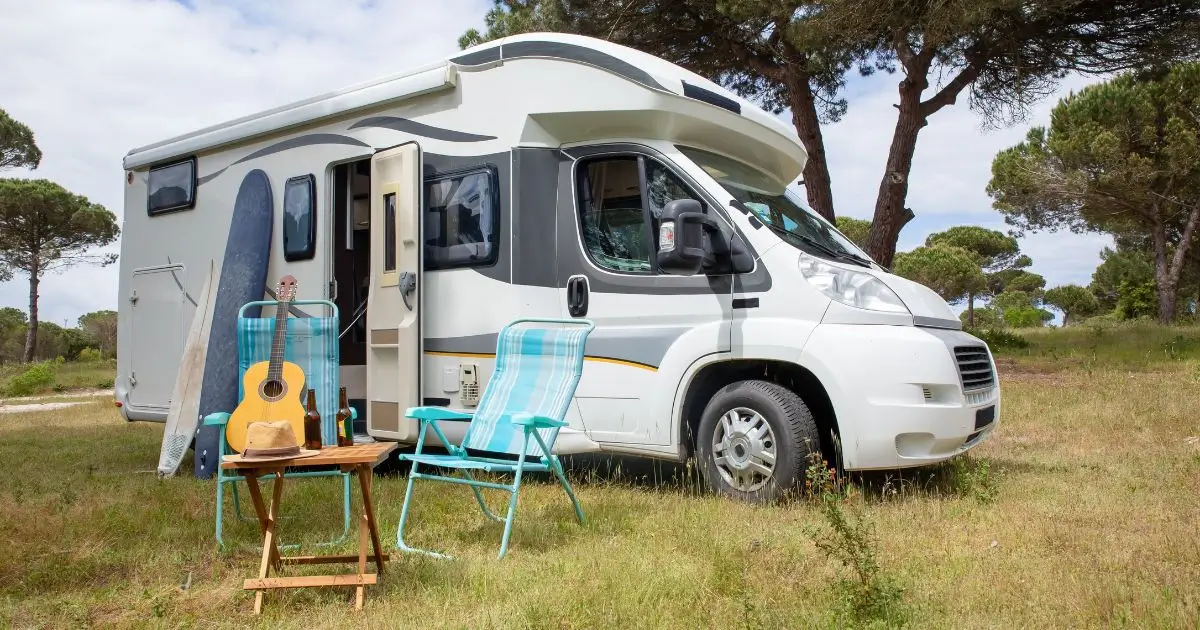
Table of Contents
There is a moment on every French road trip when you pull into a village square at golden hour, cut the engine, and realize your hotel room has wheels. That’s the magic of a camping car: your bed, your kitchen and your view all travel together.
France is one of the best countries in the world for this kind of trip, with a huge network of stopovers, scenic roads and villages that reward slow travel. This guide gives you 6 itineraries for a road trip in a camping car in France, along with everything you need to plan the journey well.
Road Trip in a Camping Car: How to Prepare for Your Journey
Road Trip in a Camping Car: Choose Your Vehicle
Your vehicle shapes your whole trip. Compact van-style camping cars (fourgons aménagés) handle narrow village streets and mountain hairpins with ease. Larger integral or coachbuilt camping cars offer more comfort but can struggle in old town centers and on tight roads.
Rent a Campervan Compare top local and international rental options and book your France campervan or van here to get the best seasonal rates.
Check three things before you book or buy:
- Size and height. Many French village streets, car parks and bridges have height and width limits.
- Weight. Most rental camping cars stay under 3.5 tonnes, so a standard car licence is usually enough. Confirm this with your rental company.
- Sleeping capacity and layout. Be honest about how much space you need per person.
Road Trip in a Camping Car: Plan the Season and the Budget
Season: May, June and September are the sweet spot, with pleasant weather, open campsites and fewer crowds. July and August are busy and expensive, especially on the coasts. High mountain passes are typically only open from roughly June to October.
Budget: Build your estimate around five costs: vehicle rental or depreciation, fuel, tolls, overnight stops and food. Nights on municipal stopovers are usually cheaper than full campsites, and cooking on board keeps food costs down. Add a 10-15% buffer for surprises.
Fly to France Flying in before picking up your vehicle? Compare cheap flights to Paris, Lyon, or Nice via our recommended flight search tool here.
Road Trip in a Camping Car: The Best Routes
Nature and Mountains
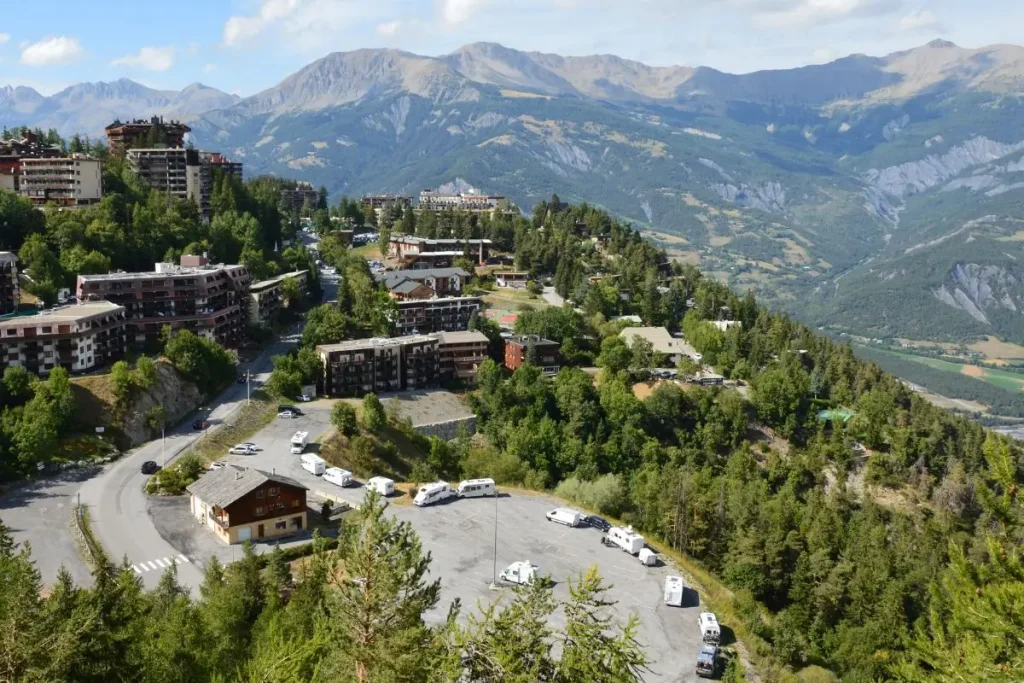
1. The Route des Grandes Alpes (Alps). This legendary route, roughly 700 km, climbs through high passes such as the Galibier and the Iseran, from Lake Geneva toward the Mediterranean. Expect glaciers, alpine meadows and marmots. Allow at least 7 to 10 days, and check pass opening dates and gradient restrictions for larger vehicles.
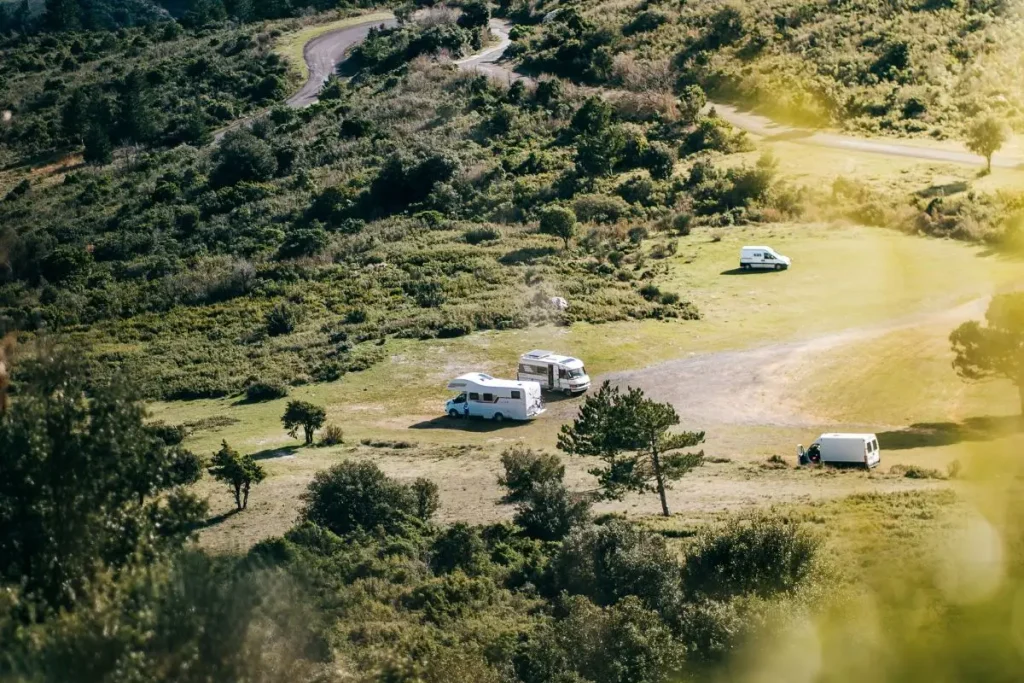
2. The Pyrenees (Southwest). Wander from the Basque foothills through Cauterets, the Cirque de Gavarnie and on toward the Mediterranean. It’s a quieter alternative to the Alps, with hot springs, hiking trails and mountain villages. Roads are often narrow, so smaller vehicles have the advantage.
Coasts and Villages
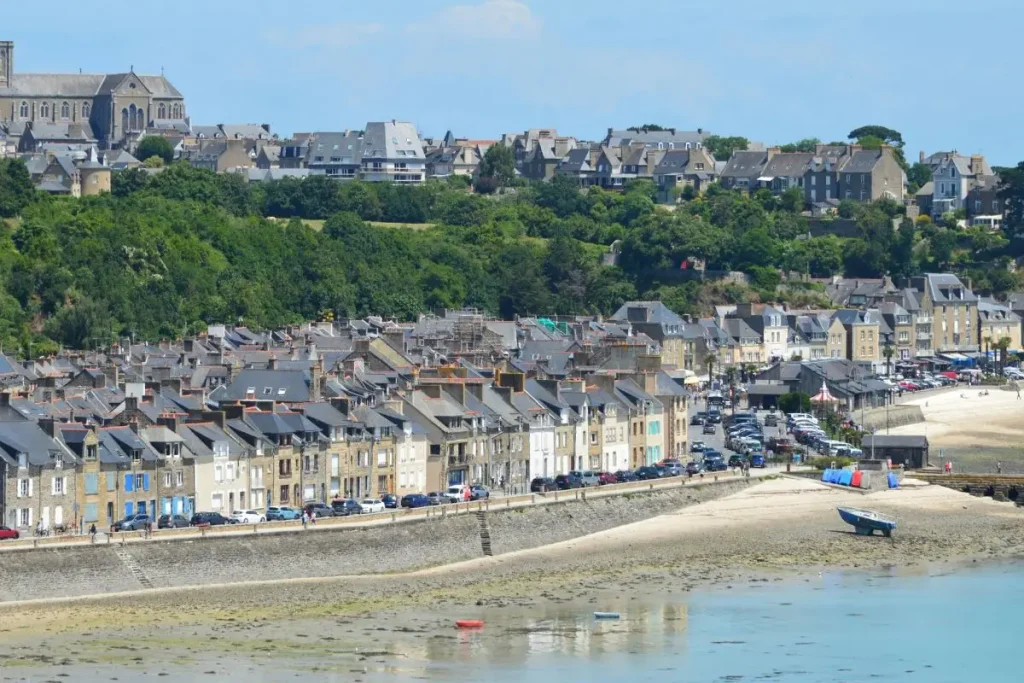
3. Brittany’s Coast (West). Pink granite shores, fishing ports, lighthouses and crêperies. Follow the coastline from Saint-Malo toward the Crozon peninsula, stopping in villages like Locronan. Summer coastal roads can be busy, so start early.
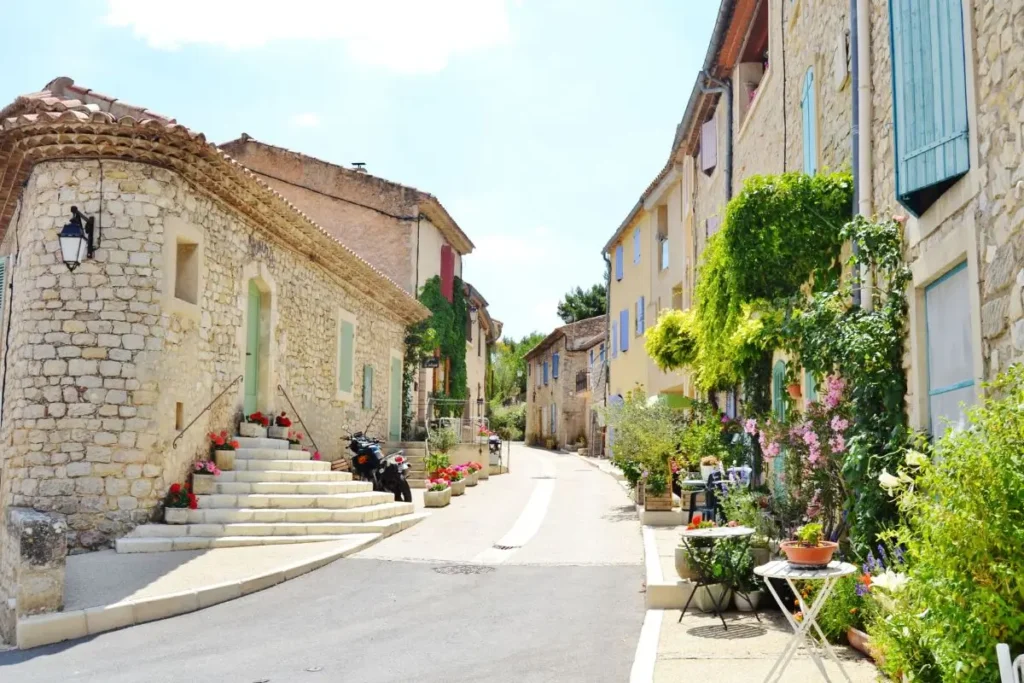
4. Provence and the Luberon (South). Lavender fields, hilltop villages such as Gordes and Roussillon, and Saturday markets full of olives and cheese. Late June to mid-July is lavender season, but it is also peak season, so book ahead.
Itineraries to Discover Big Cities and Historic Regions
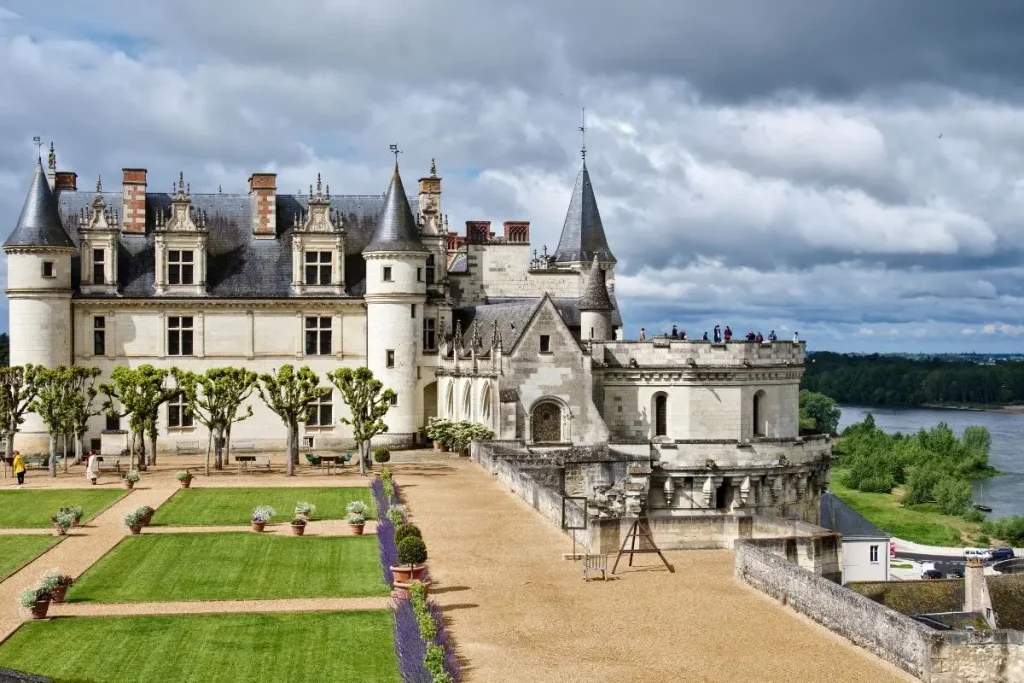
5. The Loire Valley (Center-West). Follow the river past Chambord, Chenonceau, Amboise and Angers. Many châteaux have camping car parking nearby, and the flat terrain makes for relaxed driving. Add wine tastings in Vouvray or Saumur.
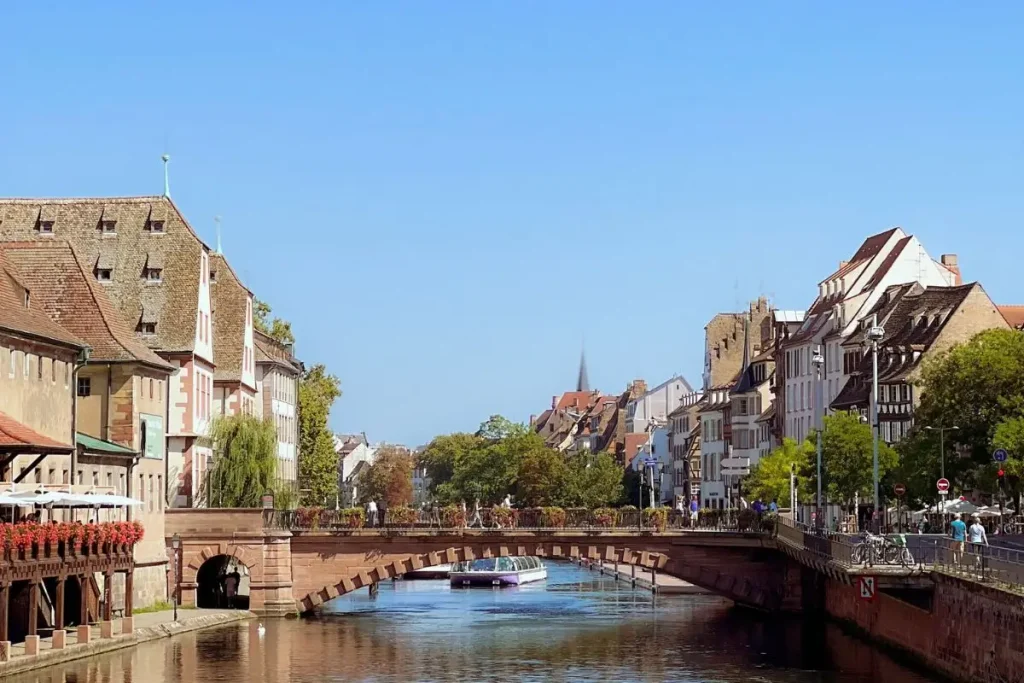
6. Alsace and Strasbourg (East). Drive the Alsace Wine Route through half-timbered villages like Colmar and Riquewihr, then finish in Strasbourg. In cities, park at the edge and use trams or buses, as camping cars rarely fit downtown.
Local Experiences Enhance your stops with skip-the-line château tickets and local wine tastings by reserving Alsace and Loire Valley tours here.
Where to Sleep and Stop
Choose Your Aires and Campsites
France offers several options:
- Aires de camping-car: municipal or private stopovers, often cheap and sometimes free, with water and waste services.
- Campsites: more facilities such as showers, electricity and pools, best for longer stays.
- France Passion: an annual membership that lets you stay free at farms, wineries and producers, with the expectation that you’ll buy local products.
Wild camping rules vary by commune and are often restricted, so look for posted signs and use official stopovers whenever possible.
Vary Your Stops and Stations
Alternate between practical and charming nights. A campsite every three or four days is a good rhythm for laundry, showers and emptying tanks. In between, choose a village stopover or a vineyard. Mixing these keeps the trip comfortable and affordable.
Practical Tips for the Route
What to Bring
- Vehicle documents, insurance papers, licence and ID
- Gas, electric and water adapters, plus a hose and leveling wedges
- A paper road atlas as a backup to GPS
- Reflective vests, a warning triangle and a first-aid kit (required in France)
- A Crit’Air sticker if you’ll pass through low-emission zones in cities
Stay Connected Keep your GPS and campsite booking apps running smoothly across rural France with an instant France eSIM card here.
Tolls, Fuel and Costs
French motorways are excellent but tolls add up. Camping cars are often charged in a higher vehicle class than cars because of their height. Consider taking scenic national roads (routes nationales) when you aren’t in a hurry. They cost nothing and are more interesting. Refuel at supermarket stations, which are generally cheaper than motorway service areas, and use a GPS built for large vehicles that accounts for height and weight.
Mistakes to Avoid
Don’t Overpack Your Itinerary
The most common mistake is trying to cover too much. Long days behind the wheel turn a holiday into a delivery run. A good rule is 150 to 250 km of driving per day at most, with rest days built in.
Leave a Margin for the Unexpected
Breakdowns, closed roads, full campsites and bad weather happen. Keep a flexible day in your schedule, book high-season stops ahead, and always have a backup destination for the night. Some of the best trip memories come from an unplanned detour.
Conclusion
Whether you crave alpine passes, Breton cliffs, lavender fields or riverside châteaux, these 6 itineraries for a road trip in a camping car in France offer something for every kind of traveler. Choose your route, pick your season, and leave room for wandering.
Ready to hit the road? Pick your favorite itinerary and start planning your first stop today.