
best european road trips from uk
Discover the best European road trips from UK: 7 scenic routes, ferry vs Eurotunnel advice, driving rules and itineraries for one or two weeks.
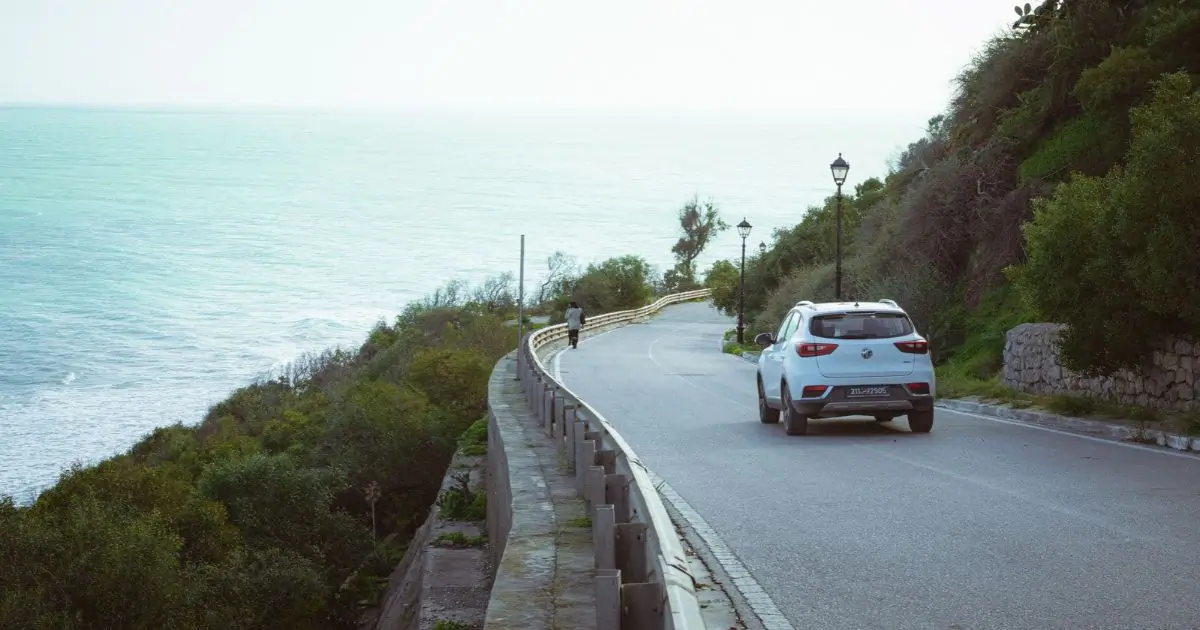
Table of Contents
7 Routes Worth the Crossing
There is a special kind of thrill in watching the white cliffs shrink behind you while your own car sits packed with snacks, a paper map you will never use and the whole of Europe waiting on the other side. The best European road trips from UK doorsteps need no airport queues, no hire-car desk and no luggage limit. You load the boot, cross the Channel, and the holiday starts the moment you roll off the ferry or the train.
This guide covers how to get across, what you need to carry, seven routes that earn their place on any shortlist, and how to match a trip to the way you like to travel.
How to Plan the Best European Road Trips from UK
Before the scenery, the logistics. Get these right and everything else gets easier.
Ferry or Eurotunnel: How to Get from the UK to Europe
There are two main ways to take your car across, and the right one depends on where your route begins.
Eurotunnel LeShuttle runs from Folkestone to Calais in around 35 minutes. You stay in your car the whole way, which makes it popular with families, dog owners and anyone who wants the quickest, most predictable crossing.
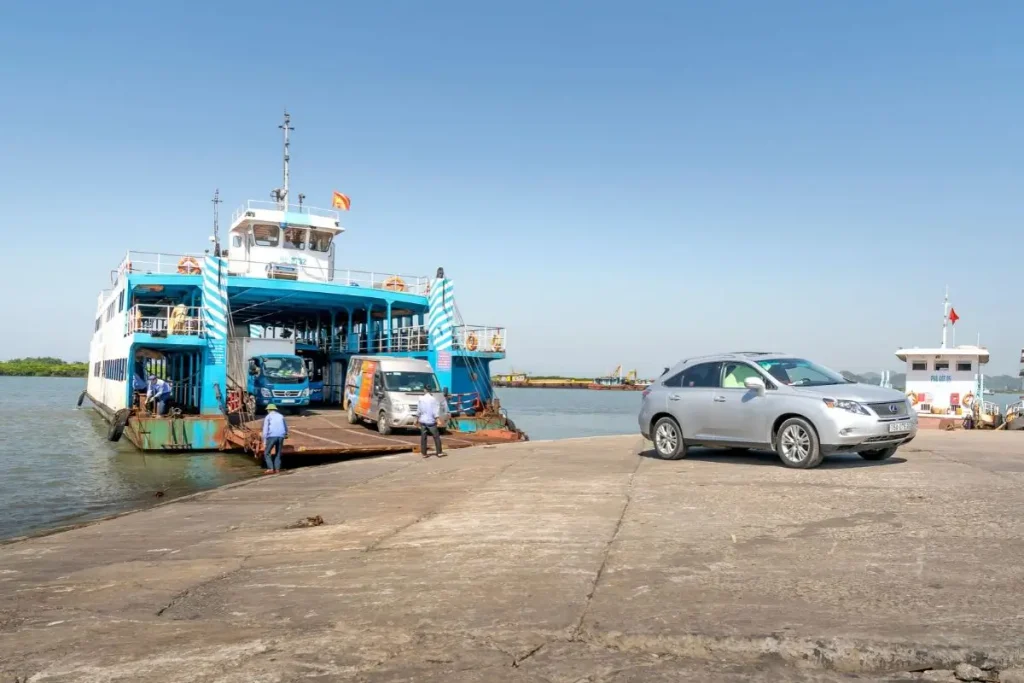
Ferries take longer, but they turn the crossing into part of the trip. Dover to Calais or Dunkirk is a short hop of around 90 minutes to two hours. Further west, services from Newhaven, Portsmouth and Plymouth reach Normandy, Brittany and northern Spain, and overnight sailings from Hull, Newcastle and Harwich reach the Netherlands. A cabin, a decent dinner and a morning arrival 400 miles closer to your destination can beat a long first day on the motorway.
A simple rule: pick the crossing that lands you nearest your first stop, then compare prices and timetables. Peak weekends and school holidays sell out, so book early.
One change to plan for is the EU Entry/Exit System (EES). It replaces passport stamping with a digital record, and at Dover, Folkestone and St Pancras the registration is done on UK soil before you leave, overseen by French border officials. It is free, so treat any request for payment as a scam. Allow extra time at the port, especially on busy summer weekends. A second system, ETIAS, is expected to arrive for UK travellers around late 2026, but a firm start date had not been confirmed at the time of writing. Check gov.uk and the official EU ETIAS site before you travel, and avoid look-alike application sites.
Driving Documents, Insurance, Tolls and Essential Tips
The paperwork is lighter than many people expect. Pack these in an easy-to-reach folder:
- Your full photocard UK driving licence
- Your passport, with enough validity left for the countries on your route
- The original V5C registration certificate (a VE103 if the car is leased or hired)
- Your motor insurance certificate and breakdown cover details
- A UK sticker, unless your number plate already shows the UK identifier. Spain, Cyprus and Malta require the sticker regardless. Old GB stickers are no longer valid.
On insurance, UK policies generally provide at least the minimum third-party cover across the EU, but comprehensive cover abroad can vary by insurer, so ask before you go. Green cards are no longer generally required, though your insurer may still advise carrying proof of cover. Add European breakdown cover; a tow from the Alps is not a bill you want to improvise.
Tolls work differently from country to country:
- France, Spain, Italy and Portugal: many motorways are tolled. Keep a contactless card handy, and in Portugal check how electronic tolls work before you enter, as some roads have no booths.
- Switzerland: you need a motorway vignette, which costs CHF 40 as an e-vignette linked to your number plate. Driving without one risks a CHF 200 fine.
- Germany, Belgium and the Netherlands: cars drive the motorways toll-free, though a few tunnels and bridges charge.
Finally, watch for low-emission zones. French cities use Crit’Air stickers, Italian historic centres have ZTL zones that bring automatic fines, and cities across Germany, Belgium and the Netherlands run their own environmental zones. When in doubt, park on the edge and take public transport in.
7 Best European Road Trips from UK
These seven routes cover the full range, from a gentle long weekend to a proper expedition. Distances and timings are approximate, so build in slack for the places you will not want to leave.
1. France: Normandy and the Loire Valley Road Trip
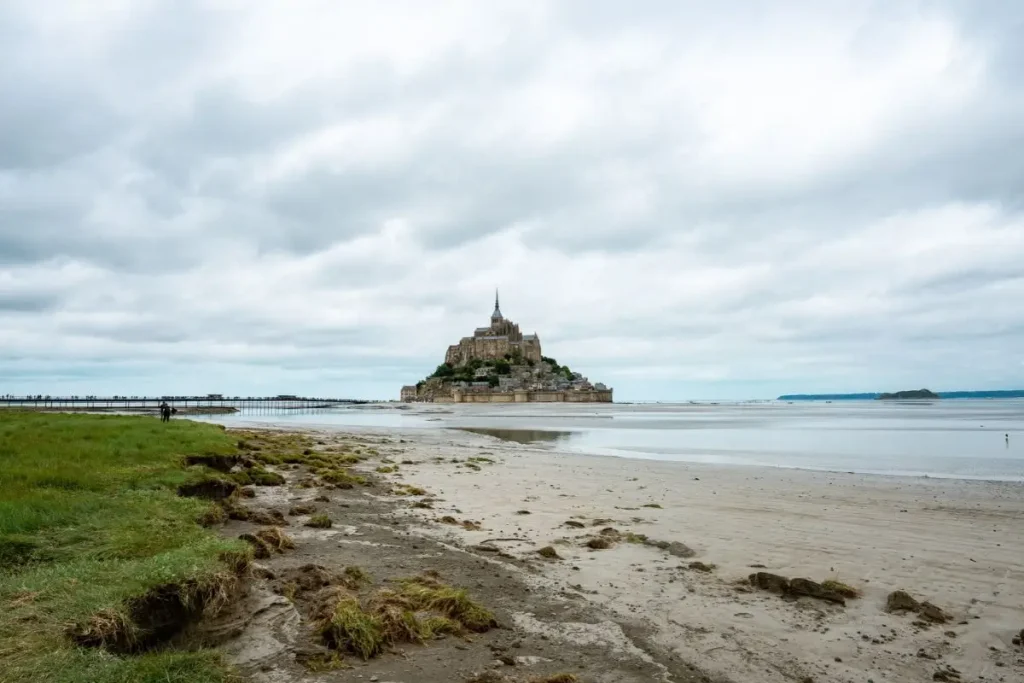
This is the classic first European road trip from the UK, and for good reason. Arrive by Dieppe, Caen or Calais and start with Rouen’s half-timbered streets and the painterly harbour at Honfleur. Then follow the D-Day coast, taking in the beaches at Arromanches and Omaha, the Bayeux Tapestry and the American cemetery at Colleville-sur-Mer, before the astonishing silhouette of Mont-Saint-Michel.
Head south into the Loire Valley, where the chateaux get grander with every mile: Amboise, where Leonardo da Vinci spent his final years, the elegant arches of Chenonceau and the vast hunting palace at Chambord.
Best for: history lovers, food and wine fans, first-timers. Allow: 7 to 10 days. Driving notes: autoroute tolls add up, so mix in the quieter D-roads, and check whether any city you plan to stay in needs a Crit’Air sticker.
2. Belgium and the Netherlands: Bruges, Ghent and Amsterdam
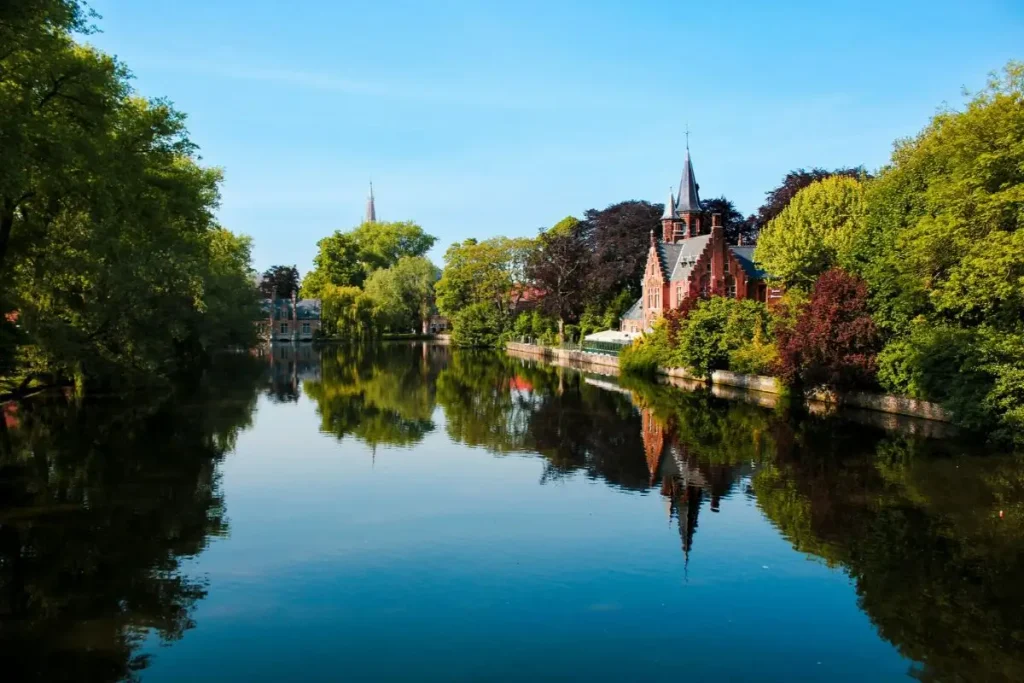
Short drives and big payoffs make this the easiest road trip from London. Calais to Bruges is a straightforward run, and Bruges’ cobbled lanes and canals reward an early start before the day-trippers arrive. Ghent, a short drive away, has the same medieval charm with a livelier, more local feel. Add Antwerp for fashion and diamonds, then finish in Amsterdam, or detour to Rotterdam for bold modern architecture.
If you visit in spring, the Dutch bulb fields turn the countryside into stripes of colour.
Best for: city breaks, beer and chocolate, short trips. Allow: 4 to 7 days. Driving notes: these cities are best explored on foot, so use park-and-ride lots and check low-emission zone rules for Antwerp, Ghent and Amsterdam.
3. Germany: The Romantic Road Through Bavaria
Germany’s most famous holiday route runs roughly 350 km from Würzburg in the north to the foothills of the Alps at Füssen. On the way you pass walled Rothenburg ob der Tauber, the storybook towns of Dinkelsbühl and Nördlingen (built inside an ancient meteor crater), prosperous Augsburg and the UNESCO-listed Wieskirche. The finale is the fairytale fortress of Neuschwanstein, which famously inspired Disney’s castle.
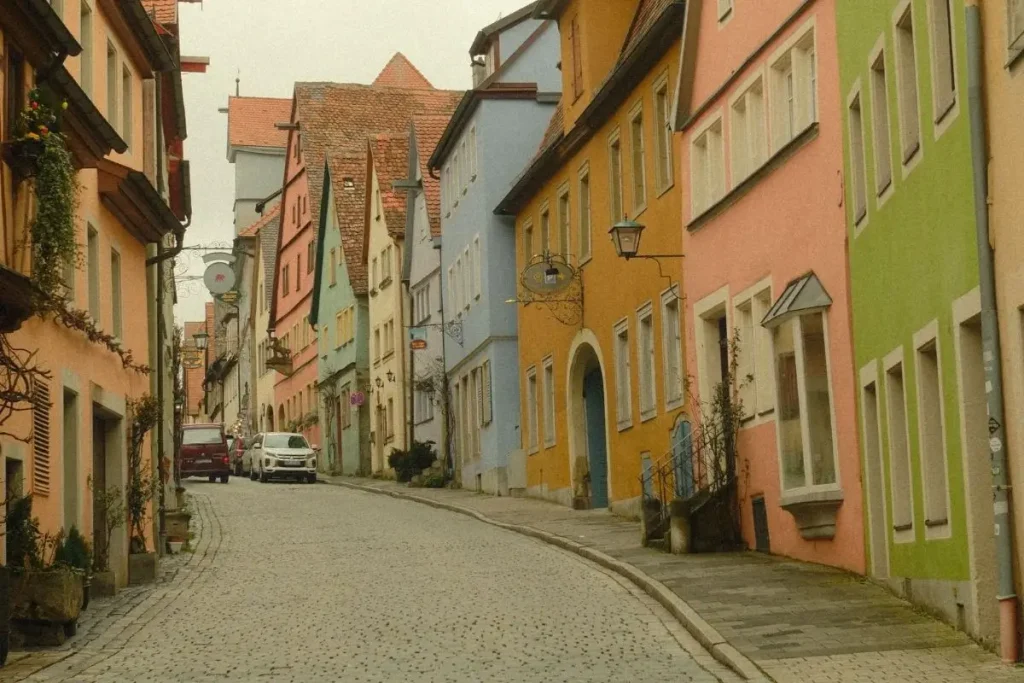
Autumn brings golden light and fewer crowds, and the Christmas markets from late November turn the route into something out of a snow globe.
Best for: couples, culture, autumn and winter trips. Allow: 5 to 7 days. Driving notes: cars use the autobahn without tolls, but many cities require an environmental sticker.
4. Switzerland: A Scenic Road Trip Through the Swiss Alps
Switzerland compresses a lot of drama into a small space. Base yourself around Lucerne and Interlaken, then drive over the high passes such as Susten, Grimsel and Furka for glaciers and hairpins that feel cinematic. Grindelwald and Lauterbrunnen put waterfalls and Eiger views on your doorstep, and Zermatt, which is car-free, is reached by parking at Täsch and taking the shuttle train.
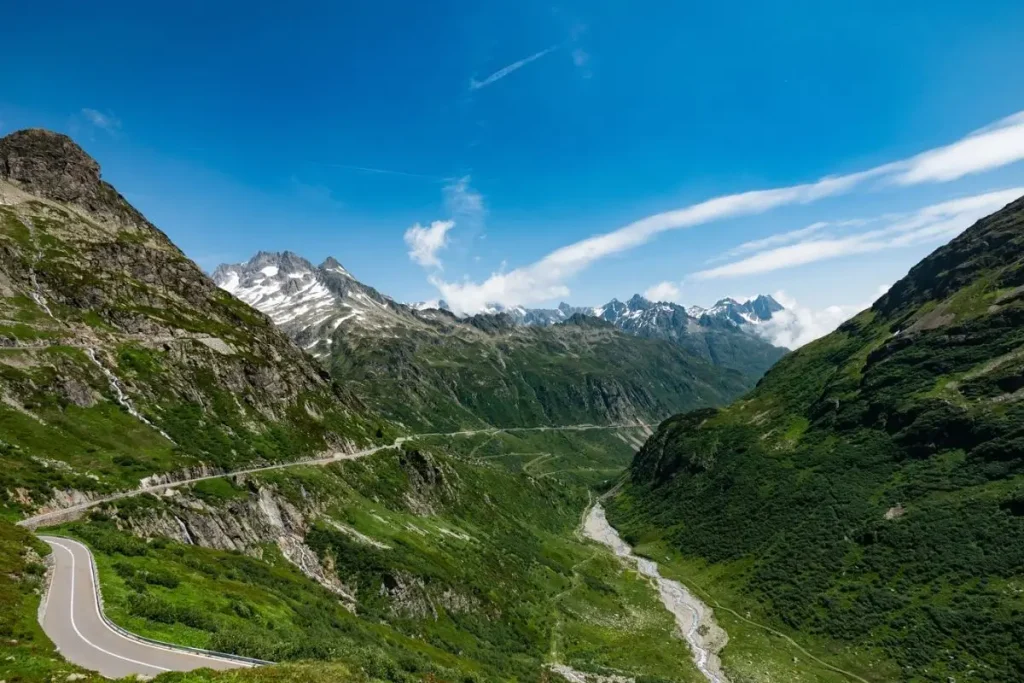
Switzerland is expensive, so plan to self-cater a few meals and picnic with the views.
Best for: mountain scenery, active travellers. Allow: 5 to 8 days. Driving notes: buy the CHF 40 vignette before you enter, and remember that high passes typically open only in the warmer months, so check status before you go.
5. Italy: Italian Lakes and the Dolomites
Start on the glamorous shores of Lake Como, where Bellagio’s lanes tumble to the water, then continue to Lake Maggiore’s Borromean Islands and Lake Garda’s lemon-scented towns such as Sirmione. From there, head north-east to Bolzano and into the Dolomites, where jagged pink peaks rise from alpine meadows. The Great Dolomites Road, running from Bolzano to Cortina d’Ampezzo, is among Europe’s great drives, and the Tre Cime di Lavaredo and Lago di Braies are the icons everyone photographs.
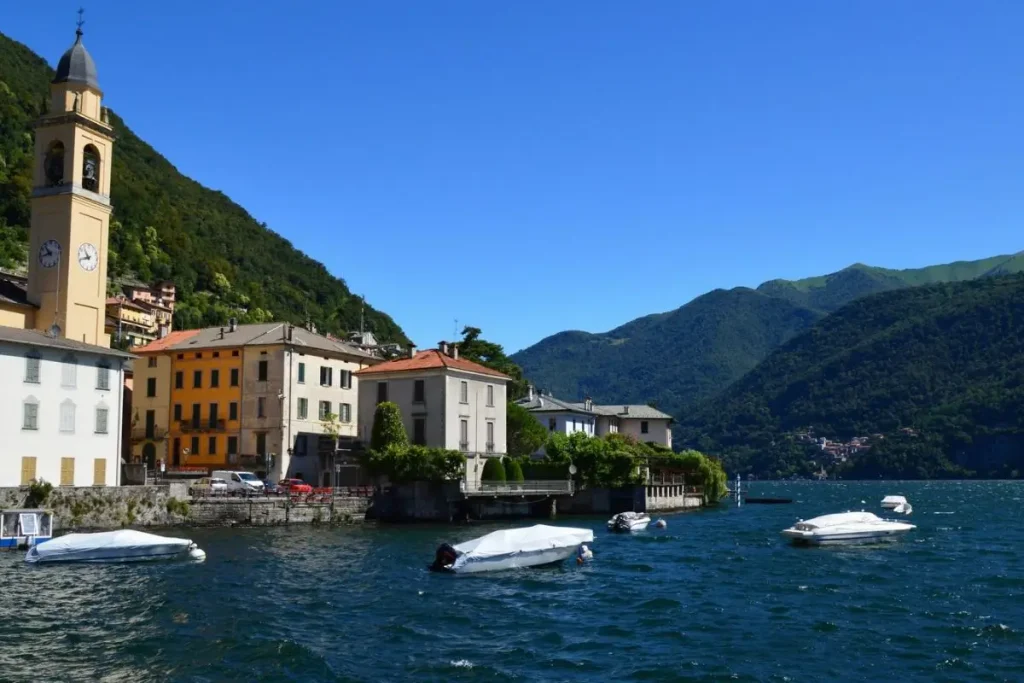
Best for: hikers, couples, food lovers. Allow: 8 to 12 days. Driving notes: autostrada tolls are paid at the gates, historic centres have ZTL zones, and access to some of the most popular Dolomites spots is restricted in peak season, so check ahead.
6. Spain: Basque Country and Northern Spain
Skip the beaches of the south and sail straight into green Spain. Overnight ferries from Portsmouth to Bilbao or Plymouth to Santander land you in a region of mountains meeting the sea. Visit Bilbao’s Guggenheim, then wander San Sebastián’s pintxos bars, drive the coastal road past fishing villages such as Getaria and push on to the Picos de Europa for epic hiking and cheese caves. Santillana del Mar and the Cantabrian coast are perfect for slow afternoons.
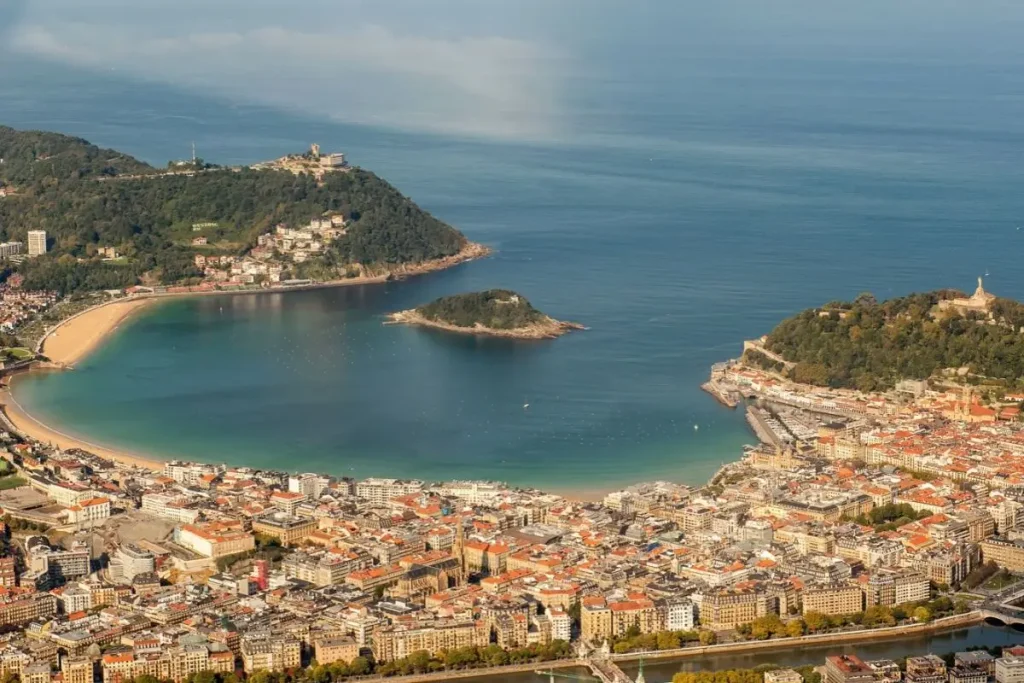
Best for: foodies, coastal drives, ferry fans. Allow: 7 to 10 days. Driving notes: a UK sticker is required in Spain even with a UK number plate, some northern motorways charge tolls, and northern weather is greener for a reason, so pack a waterproof.
7. Portugal: Porto to the Algarve Road Trip
This is the long-haul option, and it is worth the effort. Begin in Porto, then detour east along the terraced Douro Valley, where vineyards cascade down to the river. Continue to Coimbra’s historic university, then to Lisbon and fairytale Sintra, before drifting south through the cork forests and whitewashed villages of the Alentejo. Finish on the Algarve’s golden cliffs, with Lagos and wild Sagres at the far end.
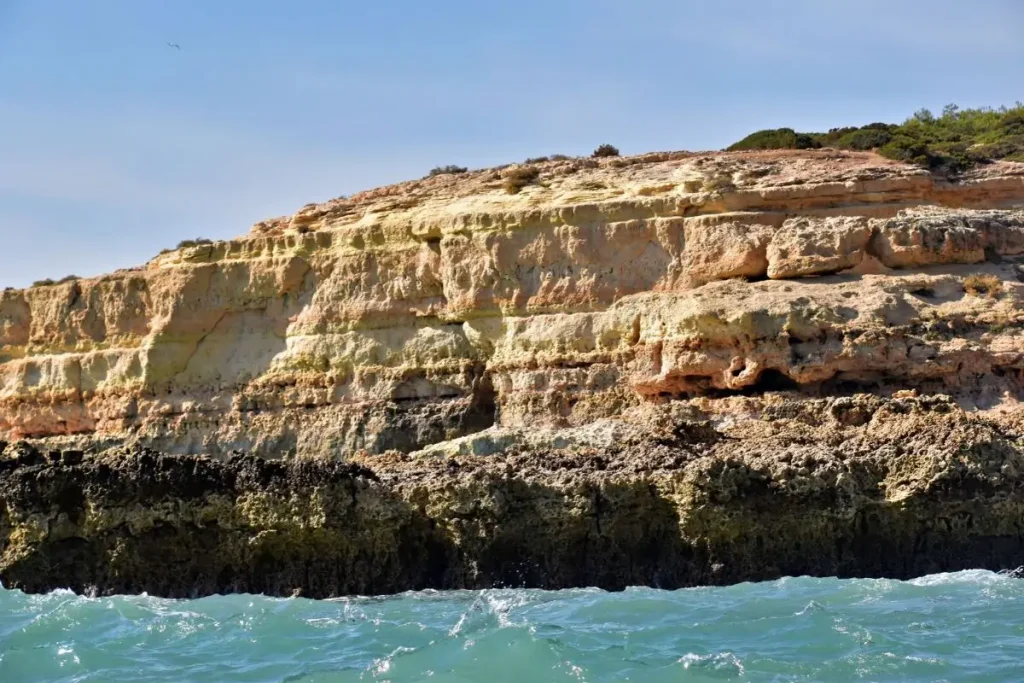
You can reach Porto by taking a ferry to northern Spain and driving south, or by flying and hiring a car locally, which saves roughly two days of driving each way.
Best for: wine, coastlines, long trips. Allow: 10 to 14 days. Driving notes: many motorways use electronic tolls, so set up a toll payment method early.
Best European Road Trips from UK for Different Travel Styles
The best route depends on who is in the passenger seat.
Best European Road Trips from UK for Couples
Choose routes with a strong sense of place and room to linger. The Loire’s chateaux, Lake Como, the Romantic Road and the Douro Valley all reward slow mornings and long dinners. Limit your stays to two or three bases of two to three nights each, rather than a different bed every night, and book a few special stays in advance.
One-Week and Two-Week European Road Trip Itineraries
One week:
- Normandy and the Loire: Caen, Bayeux, Mont-Saint-Michel, Amboise and Chenonceau
- Belgium and the Netherlands: Bruges, Ghent, Antwerp and Amsterdam
- A shorter Romantic Road focused on Rothenburg, Augsburg and Füssen
Two weeks:
- The Alpine loop: Bruges and Ghent, then the Romantic Road, the Swiss Alps and Lake Como, returning via eastern France. It is a big circuit, so keep some drive days short.
- The Atlantic loop: a ferry to Bilbao, then San Sebastián, the Picos de Europa and Porto, returning from Santander or Bilbao by ferry.
Family-Friendly European Road Trips
The secret to a happy family trip is short driving days. Aim for three to four hours behind the wheel at most, with a break roughly every two hours. Normandy’s beaches and Mont-Saint-Michel, Belgium’s compact cities and the Swiss lakes work well for mixed ages, and Lake Garda has theme parks and water parks for the kids. French campsites with pools make superb bases. An overnight ferry is half the adventure for children, and a cabin saves a very long first day.
Campervan and Motorhome Road Trips in Europe
Taking a campervan or motorhome gives you the freedom to follow the weather. France’s aires de camping-car, Germany’s Stellplätze and countless campsites make overnight stops simple. The same paperwork applies as for a car, plus a few extras: check your licence category if the vehicle is heavier than 3.5 tonnes, confirm that your gas system will work with local bottles or adaptors, and remember that Switzerland’s vignette also applies to motorhomes under 3.5 tonnes. Always check height and weight limits in historic towns and mountain tunnels.
Tips for Planning a European Road Trip from the UK
Best Time of Year to Drive Through Europe
Spring (April to June) and early autumn (September and October) are the sweet spots for most routes, with fewer crowds and comfortable driving temperatures. Alpine passes in Switzerland and the Dolomites usually only open from around June to October, so plan mountain trips for summer or early autumn. Southern Spain and Portugal get very hot in July and August, while the busiest French and Spanish motorway weekends fall in the peak summer holidays, so avoid travelling on those Saturdays if you can. In winter, Christmas markets make Germany, Alsace and Switzerland magical, but check winter tyre and snow chain rules for each country before you go.
How to Budget for Fuel, Tolls and Accommodation
Build your budget in layers:
- The crossing: varies hugely by date, time and vehicle, so book early and be flexible with days
- Fuel: estimate your total distance, divide by 100, then multiply by your car’s litres per 100 km and the local price per litre
- Tolls: use a route planner that shows toll costs so you can compare toll and non-toll options
- Accommodation: mix hotels, apartments and campsites, and stay just outside expensive city centres
- Food and parking: self-cater lunches and use park-and-ride lots
Prices change, so always check current figures before you finalise your plan.
What to Pack for a European Road Trip
Beyond your documents, pack:
- Hi-vis jackets (one per person), a warning triangle and a first aid kit
- A UK sticker, plus a Crit’Air sticker for France and a vignette for Switzerland
- A phone mount, charger and offline maps for patchy mountain signal
- A contactless card and a little cash for toll booths and car parks
- A picnic bag, water and snacks for long stretches
- Layers and a waterproof, since weather changes quickly in the mountains and on the coast
Frequently Asked Questions
What is the easiest European road trip from London?
A Belgium and Netherlands route or a Normandy trip is the simplest first step. Take Eurotunnel from Folkestone, and you can be in Bruges within a couple of hours of landing, or in Normandy within a day. Both involve short drives, great food and straightforward motorway driving.
Is one week enough for a European road trip from the UK?
Yes, if you choose a compact route. Normandy and the Loire, Belgium and the Netherlands, or a shorter stretch of the Romantic Road all fit a week comfortably. For the Alps, the Italian lakes and Dolomites, or Portugal, you will want at least ten days to two weeks.
What is a good two-week European road trip itinerary?
Two strong options are the Alpine loop (Bruges and Ghent, the Romantic Road, the Swiss Alps and Lake Como) and the Atlantic loop (ferry to Bilbao, San Sebastián, the Picos de Europa and Porto). Keep drive days to a reasonable length and build in a rest day halfway.
Can I take my own car or campervan to Europe?
Yes. You will need your photocard licence, passport, original V5C (or VE103 if leased or hired), proof of insurance and a UK sticker if your number plate does not show the UK identifier. Check your insurance covers driving abroad, add European breakdown cover and confirm any country-specific requirements such as the Swiss vignette.
How much does a European road trip from the UK cost?
It depends on the route, season and style of travel. The main costs are the crossing, fuel, tolls, accommodation and food, so price those first, then add parking and activities. Self-catering, shoulder-season travel and booking your crossing early are the biggest savers.
Start Planning Your European Road Trip
The best European road trips from UK shores are the ones that match your pace: a lazy long weekend among Belgian canals, a fortnight through the Alps or a slow drift down the Portuguese coast. Pick a route, book your crossing and leave a little space in the itinerary for the detours that become the memories.
Which of these seven routes is calling to you? Tell us in the comments, and subscribe for our detailed itineraries for each one.